
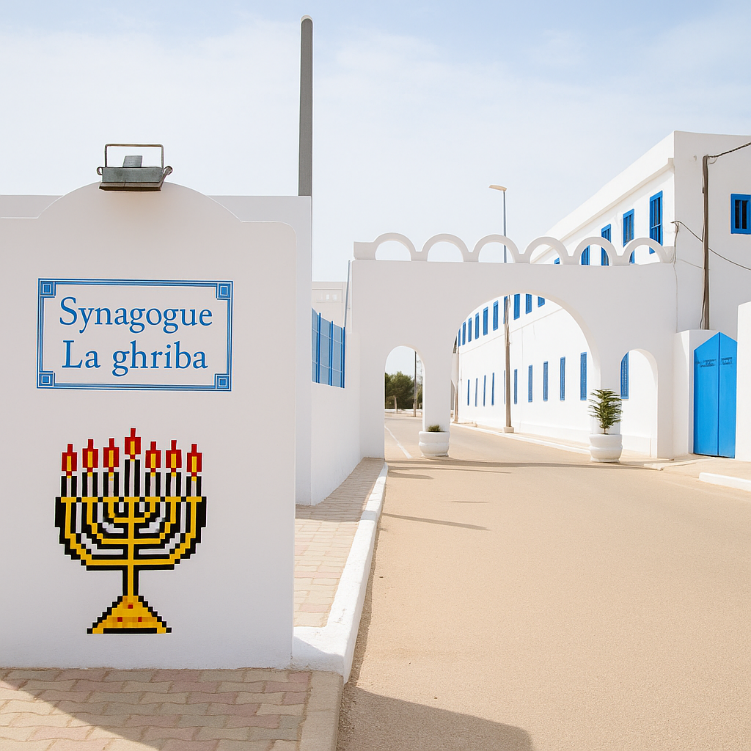
El Ghriba Synagogue in Djerba: A Sacred Destination for Jewish Pilgrims and Heritage Travelers
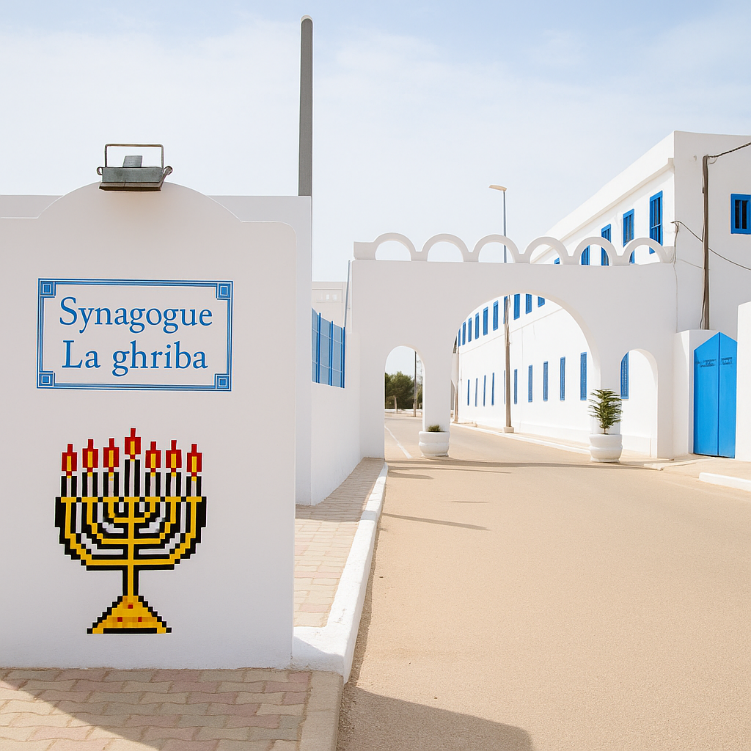
The Ghriba Synagogue in Djerba stands as one of Africa’s most sacred and enduring Jewish landmarks, attracting thousands of pilgrims and curious travelers to this peaceful Tunisian island each year. This ancient North African synagogue serves as a spiritual beacon for the global Jewish community, offering visitors a rare glimpse into centuries of preserved faith, tradition, and exquisite craftsmanship.
This guide is designed for history lovers, religious pilgrims, cultural explorers, and anyone interested in Jewish heritage in Tunisia who wants to understand what makes El Ghriba—the oldest synagogue in Africa—so extraordinary.
Together, we’ll uncover the fascinating legends surrounding its origins and the deep spiritual significance it holds for Jewish communities worldwide. You’ll also discover the remarkable architectural details that make El Ghriba Synagogue in Tunisia a true masterpiece, from its intricate tilework to its sacred design elements. Finally, we’ll take you inside the lively Lag BaOmer festival in Djerba, when the synagogue transforms into a joyful celebration that bridges ancient Jewish pilgrimage traditions with modern-day worship.
Historical Origins and Sacred Foundations
The Ghriba Synagogue of Djerba stands as a living testament to one of the Mediterranean’s oldest and most enduring Jewish communities. Archaeological findings and cherished oral traditions reveal that Jewish life has flourished on this Tunisian island for more than 2,500 years — making it one of the oldest continuous Jewish settlements outside the Holy Land.
For generations, the island of Djerba served as a sanctuary for Jewish refugees fleeing persecution across the Mediterranean. Its strategic location in the southern sea, coupled with the hospitality and tolerance of local populations, created a haven where Jewish culture and faith could take root and thrive. Unlike many other diaspora communities that endured repeated expulsions, the Jewish community of Djerba has preserved an unbroken presence that stretches across millennia.
The first Jewish settlers likely arrived in successive waves, beginning with those escaping the destruction of the First Temple in Jerusalem around 586 BCE. These early pioneers established small settlements throughout the island, with the area that would later become home to El Ghriba Synagogue in Tunisia emerging as the central gathering place for worship, study, and community life.
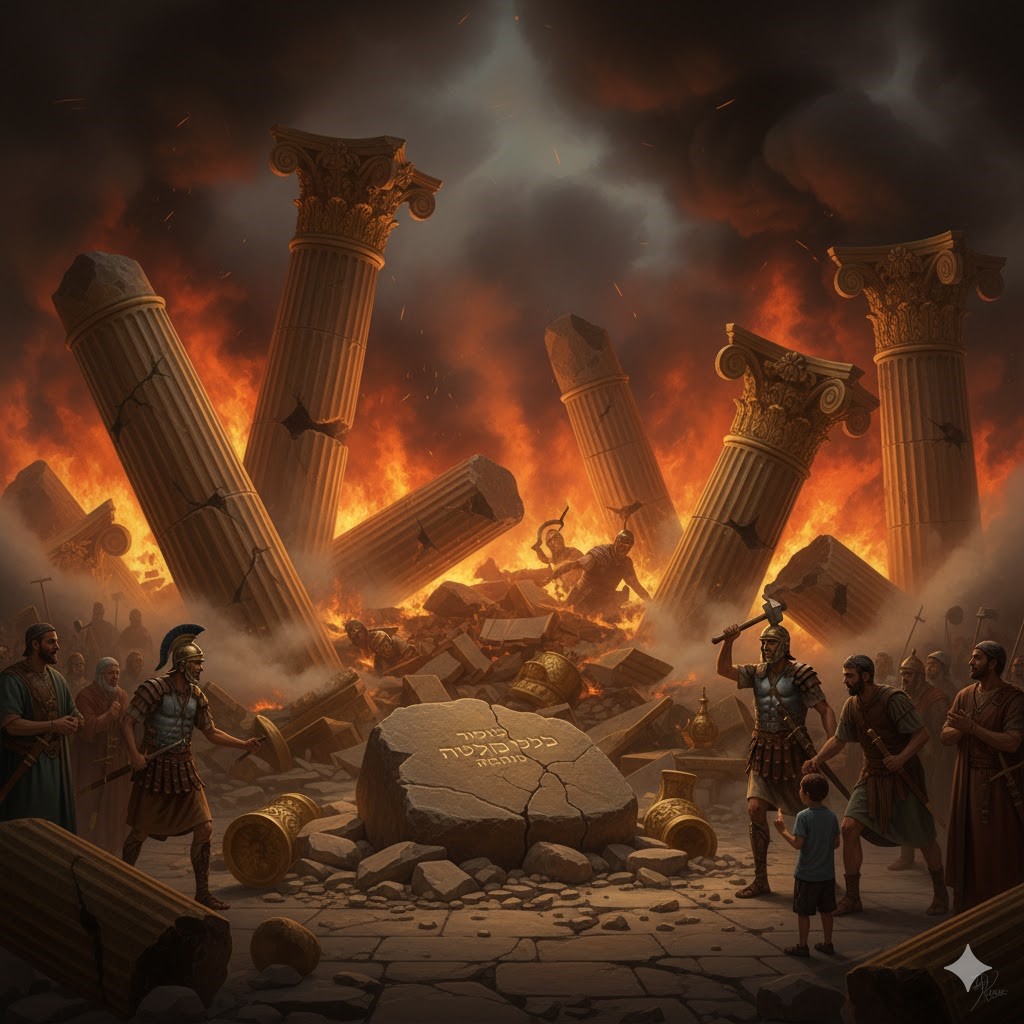
One of the most captivating elements of El Ghriba’s origin story lies in the sacred legend of its foundation stone. According to cherished Jewish tradition, priests fleeing Jerusalem after the destruction of Solomon’s Temple carried with them a holy stone from the Temple itself. This stone, known locally as “the Ghriba Stone,” is said to have crossed the Mediterranean, eventually finding its resting place on the island of Djerba.
The legend speaks of divine guidance that led the exiled priests to the precise spot where this ancient North African synagogue would one day stand. Local folklore tells of mysterious lights and unexplained signs that revealed the sacred site — and of the stone’s miraculous refusal to be moved from its chosen location.
Today, this foundation stone remains enshrined within El Ghriba Synagogue’s most sacred chamber, drawing thousands of pilgrims each year during the Lag BaOmer festival in Djerba. Whether historical fact or holy legend, this story has profoundly shaped the synagogue’s spiritual identity, connecting it symbolically to the ancient Temple of Jerusalem and elevating its status far beyond that of an ordinary house of worship.
Evolution from humble beginnings to North Africa’s oldest synagogue
The transformation of El Ghriba from a modest gathering place into the oldest synagogue in Africa reflects centuries of continuous growth and devotion. The earliest structures were likely simple buildings—humble spaces meant to serve a small but steadily expanding Jewish community. Archaeological layers beneath the current synagogue reveal traces of multiple construction phases, each representing the community’s evolving needs and increasing prosperity.
During the medieval era, Djerba’s Jewish population flourished as waves of immigrants arrived from Spain, Italy, and other parts of North Africa. Each new group brought unique traditions, architectural influences, and religious customs that gradually blended with the island’s existing heritage. The synagogue grew in parallel, adding new chambers, study halls, and ceremonial spaces that reflected this cultural fusion.
Over time, the reputation of El Ghriba Synagogue in Djerba spread far beyond Tunisia. Revered as a sanctuary of miracles and blessings, it began attracting pilgrims and benefactors from across the Jewish diaspora. Their visits and donations helped sustain ongoing renovations and expansions. By the 16th century, El Ghriba had evolved into a remarkable religious complex — complete with multiple prayer halls, ritual baths, and accommodations for visiting pilgrims — standing as a proud symbol of Jewish heritage in Tunisia.
Survival through successive civilizations and conquests
Perhaps the most remarkable aspect of El Ghriba’s story is its survival through centuries of political upheaval and cultural change. The synagogue has stood witness to the rise and fall of Carthaginian, Roman, Byzantine, Arab, Ottoman, and French colonial powers — adapting gracefully to each new era while preserving its timeless spirit and sacred identity.
During the Islamic conquests of the 7th century, when many Jewish communities across North Africa faced persecution or displacement, the Jews of Djerba negotiated protective agreements with local rulers. Thanks to the island’s strategic role in Mediterranean trade, Jewish merchants and scholars were often valued for their commercial expertise and administrative skills. This pragmatic cooperation ensured not only the community’s survival but also the protection of its most sacred spaces.
Throughout history, Jewish heritage in Tunisia has endured countless trials — from natural disasters to political oppression — yet El Ghriba Synagogue remained a beacon of continuity. Its survival owes much to wise diplomacy with local authorities, alliances with influential families, and the community’s ability to adapt outwardly while fiercely preserving its spiritual core.
Even during the dark years of World War II, when Nazi influence reached Tunisia, the Jewish community of Djerba succeeded in safeguarding the synagogue and continuing their religious practices. Though the period brought immense hardship and the loss of several community members to forced labor and persecution, their determination ensured that El Ghriba’s sacred flame never went out.
Architectural Marvel and Sacred Design Elements
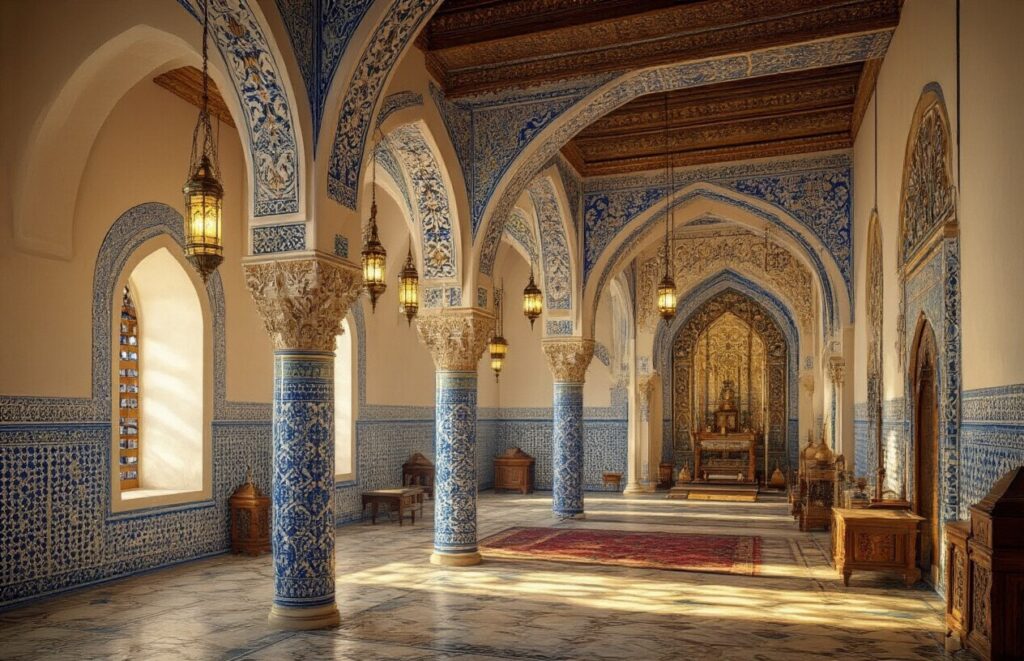
El Ghriba Synagogue in Djerba showcases a remarkable fusion of Moorish, Berber, and Jewish architectural traditions, reflecting centuries of cultural exchange and coexistence in North Africa. Its brilliant whitewashed walls — a hallmark of Tunisian architecture — stand out vividly against the deep blue of the Mediterranean sky. Delicate Islamic geometric patterns intertwine with distinct Jewish motifs, forming a harmonious visual language that tells the story of shared heritage and mutual respect among the island’s diverse communities.
The synagogue’s layout follows the traditional Tunisian courtyard design, with rooms gracefully arranged around an open central patio that floods the space with natural light and ventilation. Elegant arched doorways and windows reveal the influence of Islamic artistry, while still adhering to the specific principles of Jewish religious architecture. Thick stone walls, characteristic of North African construction, offer both structural strength and natural cooling — a practical adaptation to Djerba’s warm, coastal climate.
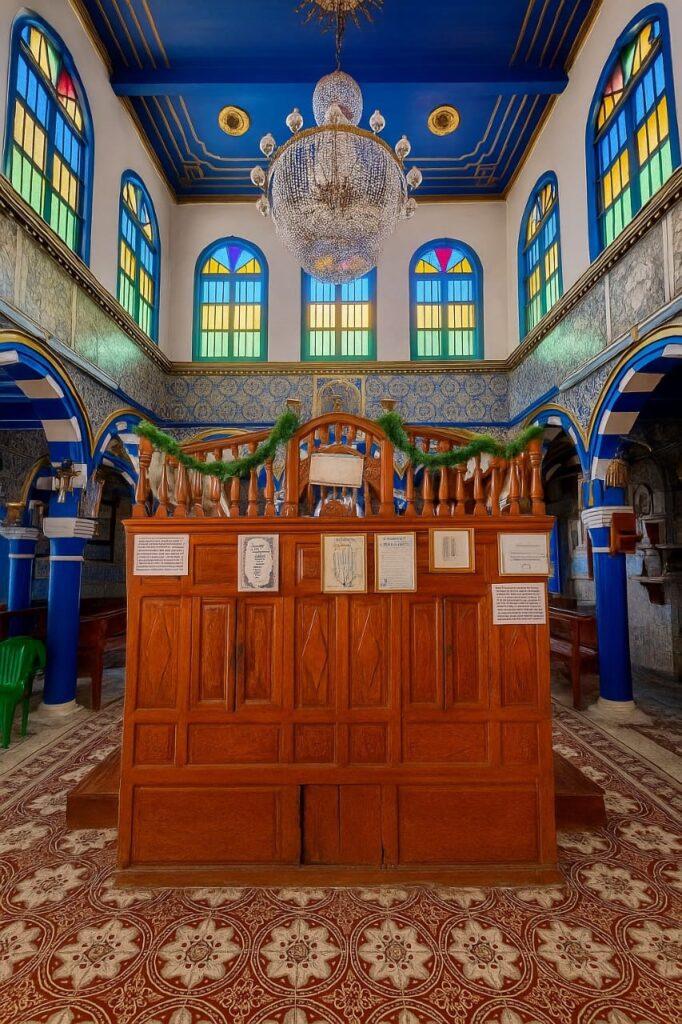
Inside, shades of blue and white dominate the décor, colors that carry deep spiritual symbolism in both Jewish and Mediterranean traditions. Handcrafted ceramic tiles cover the walls, blending Tunisian craftsmanship with Hebrew inscriptions and sacred Jewish symbols. This exquisite interplay of design and devotion creates an atmosphere found nowhere else in the world — a living testament to Jewish heritage in Tunisia and the enduring beauty of intercultural harmony.
Sacred interior features and religious artifacts
Inside the ancient synagogue North Africa, visitors encounter an extraordinary collection of religious artifacts and architectural elements that span multiple centuries. The main prayer hall features ornate wooden Torah arks adorned with silver decorations and intricate metalwork, housing some of the oldest Torah scrolls in the Jewish world. These sacred texts, some dating back several centuries, represent an unbroken chain of religious tradition in North Africa.
The synagogue’s interior walls display a stunning array of ceramic tiles featuring Hebrew prayers, biblical verses, and traditional Jewish symbols. Oil lamps and candlesticks, many crafted by local Jewish artisans over the generations, illuminate the sacred space with warm, flickering light. The bimah (reading platform) stands as the central focal point, surrounded by wooden benches arranged in traditional Sephardic fashion.
Pilgrims have left countless offerings over the years, creating a unique collection of votive objects, prayer books, and religious manuscripts. Silver hands (hamsas) hang from the ceiling alongside traditional Jewish ritual objects, while the walls display centuries-old photographs of rabbis and community leaders who once served this sacred space.
Symbolic significance of design patterns and decorations
The decorative elements throughout the Ghriba synagogue carry deep symbolic meaning rooted in both Jewish mysticism and North African folk traditions. The predominant use of blue throughout the synagogue represents divine protection and spiritual elevation, while also warding off the evil eye according to local beliefs. Star of David patterns appear alongside traditional Islamic geometric designs, creating a visual dialogue between different cultural traditions.
Hebrew calligraphy adorns walls and doorframes, featuring passages from the Torah, Psalms, and traditional prayers. These inscriptions serve both decorative and spiritual purposes, transforming the physical space into a living text of Jewish religious heritage. The integration of Kabbalistic symbols with Berber protective motifs reflects the unique spiritual synthesis that developed in this corner of the Mediterranean world. Fish motifs, particularly common in synagogue architecture Tunisia, appear throughout the interior design, symbolizing fertility, abundance, and divine protection. These images connect to both Jewish traditions and local fishing culture, demonstrating how religious symbolism adapted to local environments. The architectural details create layers of meaning that reward careful observation, with each decorative element contributing to the overall spiritual atmosphere that has drawn pilgrims for centurie
Annual Pilgrimage Festival Experience
Lag BaOmer celebration attracts thousands of Jewish pilgrims worldwide
Every year, the Ghriba synagogue Djerba transforms into a vibrant hub of Jewish spirituality and culture during the Lag BaOmer festival. This ancient celebration, typically held 33 days after Passover, draws thousands of pilgrims from across the globe to this remarkable sanctuary on the Tunisian island. The Djerba Jewish pilgrimage has become one of the most significant religious gatherings in North Africa, with visitors traveling from Israel, France, Italy, and other countries where Jewish diaspora communities thrive.
The pilgrimage reaches its peak during the three-day festival period, when the small island welcomes an influx of visitors that can exceed 8,000 people. Many pilgrims consider this journey a once-in-a-lifetime spiritual experience, drawn by the synagogue’s legendary status as potentially the oldest synagogue Africa has to offer. The atmosphere during these days is electric, filled with prayers, songs, and the shared devotion of people reconnecting with their ancestral heritage.
Traditional rituals and religious ceremonies performed during the festival
The Lag BaOmer festival Djerba centers around deeply meaningful religious practices that have been preserved for generations. The most significant ritual involves the lighting of candles and oil lamps throughout the synagogue, creating a mesmerizing display of flickering flames that illuminate the sacred space. Pilgrims bring handwritten wishes and prayers, which they place near the ancient Torah scrolls and sacred relics housed within the synagogue’s walls.
Women often participate in the traditional practice of decorating eggs, which they then auction off for charity during the celebration. This custom symbolizes renewal and fertility, connecting the modern celebration to ancient Jewish traditions. The synagogue’s courtyard becomes a center for communal prayers, with rabbis from various countries leading services in multiple languages.
The highlight of the religious ceremonies occurs when the ancient Torah scrolls are paraded around the synagogue grounds, accompanied by singing and dancing. This procession, known as a “hakkafot,” creates an atmosphere of profound spiritual connection that many pilgrims describe as transformative.
Cultural performances and community gatherings
Beyond the religious ceremonies, the festival showcases a rich tapestry of Jewish heritage Tunisia through music, dance, and storytelling. Traditional Sephardic melodies echo through the synagogue’s chambers, performed by musicians who have inherited these songs through generations. The courtyard often features impromptu concerts where pilgrims from different countries share their unique musical traditions, creating a beautiful fusion of Jewish cultural expressions.
Local Jewish families open their homes to visitors, sharing traditional meals and stories that have been
passed down through centuries. These intimate gatherings offer pilgrims a glimpse into the daily life of Tunisia’s Jewish community, fostering connections that extend far beyond the festival period. The exchange of recipes, family histories, and cultural practices enriches the experience for everyone involved.
Artists and craftspeople display their work during the festival, selling handmade jewelry, religious artifacts, and artwork inspired by Jewish themes. These cultural exhibitions help preserve traditional Jewish arts and crafts while providing economic opportunities for local artisans.
Economic impact on local Djerba community
The annual pilgrimage creates a significant economic boost for the entire island of Djerba. Hotels, restaurants, and local businesses experience their busiest period during the festival, with many establishments booking solid months in advance. The Djerba religious tourism generated by the Ghriba synagogue pilgrimage provides crucial income for hundreds of families, both Jewish and Muslim, who work together to accommodate the massive influx of visitors.
Local tour guides, many of whom are multilingual residents familiar with both Jewish history and Tunisian culture, find steady employment during the pilgrimage season. Transportation services, from airport transfers to local taxi operators, benefit significantly from the increased demand. Even souvenir shops and markets throughout the island see increased sales as pilgrims explore beyond the synagogue grounds.
The festival’s economic impact extends to the broader tourism infrastructure, encouraging investment in hotels, restaurants, and cultural attractions that serve visitors year-round. This sustainable tourism model has helped preserve not only the synagogue itself but also the broader cultural landscape of Djerba, making it a model for heritage preservation through religious tourism.
Preservation Efforts and Modern Challenges
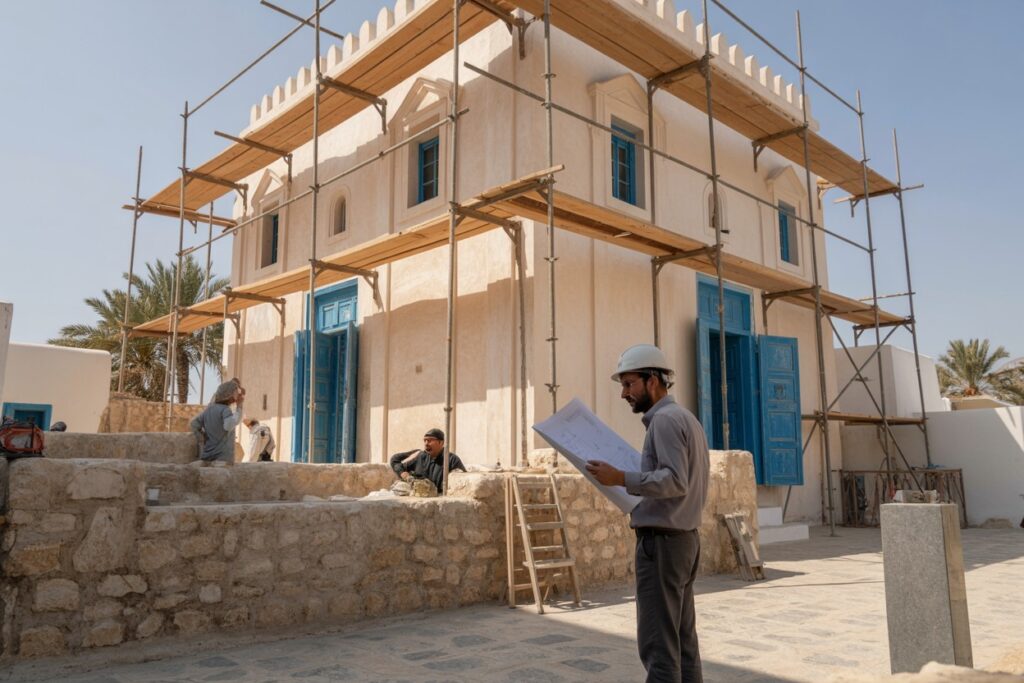
The Ghriba synagogue Djerba stands as a testament to centuries of Jewish heritage in North Africa, earning significant attention from international preservation organizations. UNESCO has acknowledged the synagogue’s exceptional universal value, recognizing it as part of Tunisia’s rich cultural tapestry that deserves protection for future generations. This ancient synagogue North Africa has become a focal point for international cooperation in heritage preservation.
The World Monuments Fund has placed the El Ghriba synagogue Tunisia on its watch list, highlighting the urgent need for conservation efforts. Multiple international Jewish organizations have partnered with Tunisian authorities to establish comprehensive protection frameworks. The European Union has provided substantial funding through its cultural heritage programs, specifically targeting the preservation of religious minorities’ historical sites across the Mediterranean region.
French and Italian cultural institutes have collaborated with local experts to document the synagogue’s architectural features and religious artifacts. The Alliance Israélite Universelle has spearheaded fundraising campaigns across Europe and North America, raising awareness about the importance of maintaining this oldest synagogue Africa. These initiatives have created a global network of supporters committed to safeguarding the site’s integrity.
Restoration Projects Maintaining Historical Authenticity
Skilled craftsmen from Tunisia and abroad work meticulously to restore the synagogue’s distinctive blue
and white ceramic tiles, using traditional techniques passed down through generations. The restoration team includes specialists in Islamic and Jewish architectural traditions, ensuring that every element reflects the building’s original design principles while meeting modern structural requirements.
Recent projects have focused on reinforcing the synagogue’s foundation without altering its historic footprint. Master tile artisans from Nabeul, Tunisia’s renowned ceramic center, have recreated damaged decorative elements using clay and pigments matching the original materials. The intricate metalwork throughout the building receives careful attention, with blacksmiths employing age-old forging techniques to repair ornate gates and decorative screens.
| Restoration Focus | Traditional Methods | Modern Enhancements |
| Tile Work | Hand-painted ceramics | Protective sealants |
| Metalwork | Traditional forging | Corrosion-resistant treatments |
| Stone Masonry | Lime-based mortars | Structural reinforcement |
| Wooden Elements | Local timber species | Climate-controlled preservation |
Conservation experts conduct regular monitoring using non-invasive technologies to assess the building’s condition. Digital mapping and 3D scanning create detailed records of every architectural feature, providing blueprints for future maintenance while preserving historical accuracy. Local artisans receive training in specialized restoration techniques, ensuring that traditional skills remain alive within the Djerba Jewish community.
Security Measures Ensuring Visitor and Community Safety
The Tunisian government has implemented comprehensive security protocols around the Ghriba synagogue following increased international attention to Jewish heritage sites. Discrete surveillance systems monitor the premises without detracting from the spiritual atmosphere that draws thousands of pilgrims during the annual Lag BaOmer festival Djerba.
Professional security personnel work alongside community volunteers to create a welcoming yet protected environment for visitors from around the world. Metal detectors and bag checks operate efficiently at entry points, while plainclothes officers blend seamlessly with the crowd during major religious celebrations. The security measures extend to nearby accommodations and restaurants frequented by Jewish pilgrimage participants.
Local police have established special units trained in cultural sensitivity and religious customs, ensuring that security protocols respect the sacred nature of the site. Emergency response teams receive regular training in crowd management and evacuation procedures, particularly important during the busy pilgrimage season when visitor numbers can exceed several thousand.
Community leaders collaborate closely with security agencies to balance accessibility with protection. The Jewish community Djerba has developed internal communication networks that quickly relay information about potential concerns. Regular security assessments involve international consultants who specialize in protecting religious sites, bringing global best practices to this unique North African location.
Transportation security extends to chartered flights and buses bringing pilgrims from Europe and Israel. Coordination between Tunisian authorities and international security agencies ensures safe passage for visitors participating in Djerba religious tourism, maintaining the tradition while adapting to contemporary security realities.
Visiting Ghriba Synagogue Today
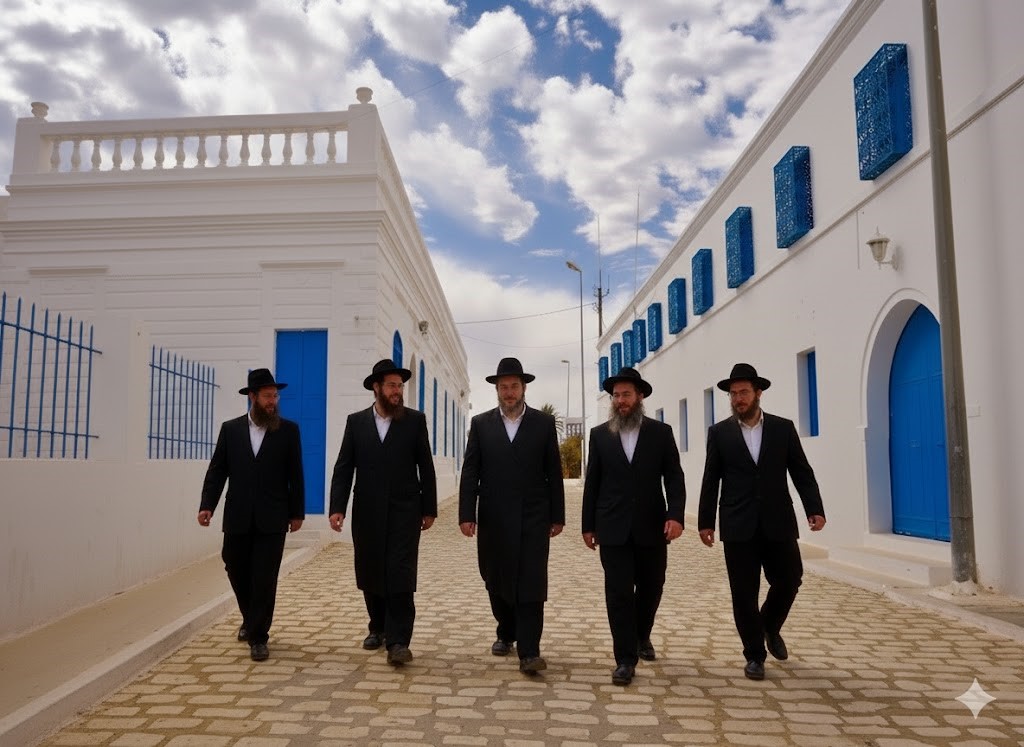
Practical travel information and accessibility details
Getting to Ghriba synagogue Djerba requires some planning, but the journey is absolutely worth it. The synagogue sits in the village of Er-Riadh, about 8 kilometers from Djerba’s main town of Houmt Souk. Most visitors fly into Djerba-Zarzis International Airport, which connects to major European cities and Tunis.
Renting a car gives you the most freedom to explore, and the roads on Djerba are generally well- maintained. Taxi services are readily available from the airport and hotels, with drivers often familiar with the synagogue’s location. Many hotels can arrange transportation or suggest reliable taxi services.
The synagogue building has some accessibility limitations due to its ancient architecture. The entrance involves several steps, and some areas have narrow passages. Visitors with mobility challenges should contact local tour operators beforehand to discuss accommodations. The courtyard areas are more accessible than the interior spaces.
Parking is available near the synagogue, though it can get crowded during religious festivals and peak tourist seasons. The surrounding village has basic facilities including small shops and cafes, but bringing water and sun protection is wise, especially during summer months.
Guided tour options and cultural etiquette guidelines
Several tour companies offer specialized visits to El Ghriba synagogue Tunisia, ranging from half-day excursions to comprehensive Jewish heritage tours of Djerba. Local guides often provide the richest experience, sharing stories passed down through generations and explaining the synagogue’s role in the Jewish community Djerba.
Cultural sensitivity is essential when visiting this sacred space. Dress modestly with covered shoulders and long pants or skirts. Men should wear head coverings, which are often provided at the entrance if you don’t bring your own. Remove shoes before entering certain prayer areas, following the guidance of attendants or tour guides.
The synagogue remains an active place of worship, so maintaining quiet, respectful behavior is crucial. Avoid touching sacred objects or decorative elements unless specifically permitted. During prayer times, visitors might be asked to wait or observe from designated areas.
Engaging respectfully with local community members can enhance your understanding of Jewish heritage Tunisia. Many are happy to share their knowledge and personal connections to the synagogue, but always ask permission before initiating conversations, especially during religious observances.
Photography restrictions and respectful visitor behavior
Photography policies at Ghriba synagogue require careful attention and respect. Interior photography is generally permitted in common areas, but flash photography is often prohibited to protect ancient artifacts and maintain the peaceful atmosphere. Always check with attendants before taking pictures, as rules can vary depending on ongoing activities or special occasions.
Certain areas, particularly around the Torah ark and during active prayer services, are off-limits for photography. The holy scroll area and some decorative elements considered most sacred typically have strict no-photography rules. When in doubt, ask first rather than assume permission.
Social media sharing should be done thoughtfully, focusing on the architectural beauty and historical significance rather than attempting to capture everything. Consider the privacy of other visitors and worshippers who may not want to appear in your photos.
Respectful behavior extends beyond photography. Keep voices low, move slowly through the space, and follow the natural flow of other visitors. Children should be supervised closely and taught appropriate behavior beforehand. The synagogue’s peaceful atmosphere contributes significantly to the spiritual experience for all visitors.
Best times to visit for optimal experience
Timing your visit to the ancient synagogue North Africa can dramatically affect your experience. The cooler months from November through March offer the most comfortable weather conditions, with temperatures ideal for exploring both the synagogue and surrounding Djerba island.
The famous Lag BaOmer festival Djerba transforms the entire area during late spring, typically in May. This annual Jewish pilgrimage draws thousands of visitors from around the world, creating an incredibly vibrant but crowded atmosphere. If you want to witness this unique celebration, book accommodations well in advance and expect larger crowds and limited access to certain areas.
For a more intimate experience, weekday mornings offer the best opportunity to explore quietly and engage with local community members. The synagogue tends to be busier on Fridays and during Jewish holidays, though these times also provide insight into active religious practices. Summer months bring intense heat and humidity to Djerba, making early morning or late afternoon visits more comfortable. The synagogue’s interior provides some relief from the heat, but walking around the village and traveling to the site can be challenging during midday hours. Spring and fall shoulder seasons strike the perfect balance between pleasant weather and manageable crowds for Djerba religious tourism.
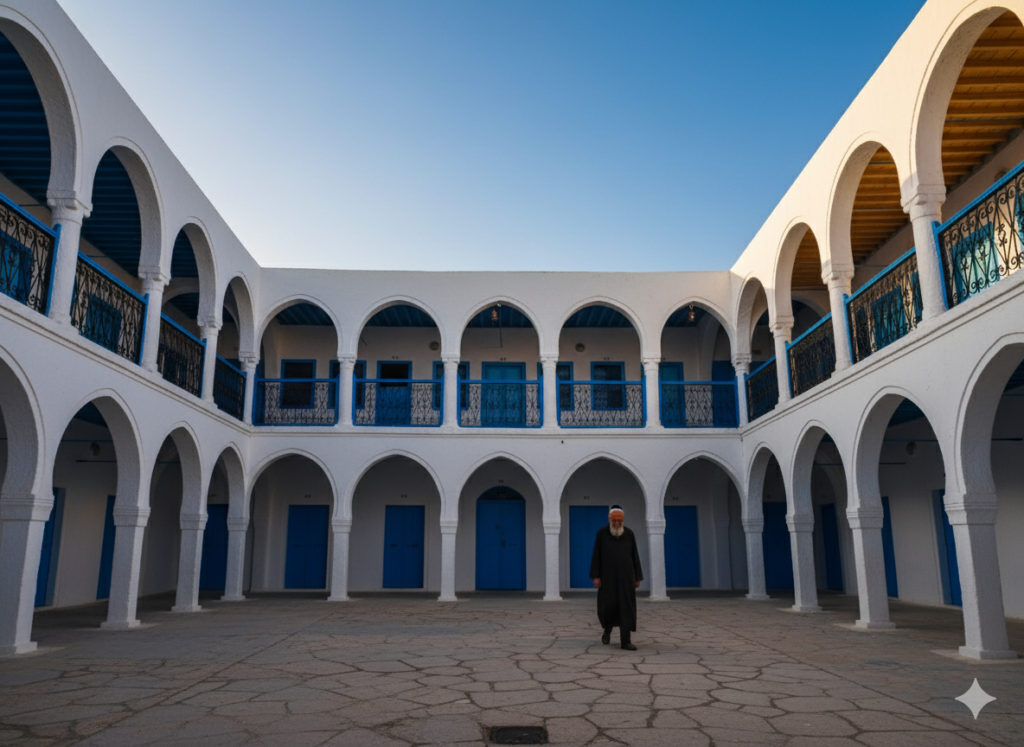
The Ghriba synagogue stands as one of North Africa’s most remarkable spiritual treasures, weaving together centuries of history, stunning architecture, and living religious tradition. From its ancient origins and unique design elements to the vibrant annual pilgrimage that draws thousands of visitors, this
sacred site represents the rich Jewish heritage that has flourished in Tunisia for generations. The ongoing preservation efforts show how communities can work together to protect cultural landmarks while adapting to modern challenges.
Planning a visit to the Ghriba synagogue offers you the chance to witness this extraordinary blend of history and faith firsthand. Whether you time your trip to coincide with the annual pilgrimage festivities or explore during quieter moments, you’ll discover a place where architectural beauty meets spiritual significance. Support this incredible site by visiting respectfully and learning about the Jewish community’s enduring presence in Djerba – their story deserves to be heard and celebrated.
Why Djerba Calls to American Jews
For American Jews, the Ghriba Synagogue in Djerba is a chance to feel your Sephardic heritage in a way that’s different from Jerusalem or New York shuls. It’s intimate, affordable, and safe, with English-speaking guides to welcome you. Whether you dance at the Lag BaOmer 2026 festival or wander quietly through ancient halls, you’ll carry home a piece of Jewish history.
Book your Djerba trip now and let this sacred place move you. Share your plans on Instagram with #GhribaPilgrimage2025 or drop a comment below—we’d love to hear your story!